Musk’s Office Slumber Signals a Shift
Elon Musk, Tesla’s enigmatic CEO, is back to sleeping at the company’s headquarters, trading political headlines for a focus on his electric vehicle empire. This return to hands-on leadership might lift employee spirits, but Tesla faces steep challenges. With its stock down over 20% this year and last quarter’s record-low deliveries and profits, the company needs more than Musk’s pajama-clad presence to regain its spark.
A Tarnished Public Image
Musk’s once-magnetic persona—built on audacious goals, quirky humor, and futuristic visions—has taken a hit. His polarizing political stances, including a recent public spat with President Trump, and personal controversies, such as reported drug use and strained relationships, have eroded his popularity. An AP poll from April showed only 33% of Americans view Musk favorably, down 9% since December, with 65% believing he wields excessive influence over the government. Statistician Nate Silver pegged his net favorability at -15% last week.
This backlash is impacting Tesla’s brand. The “Tesla Takedown” movement, with protests at over 50 showrooms, urges consumers to ditch Tesla vehicles and stock. Signs like “Honk if you hate Elon” reflect growing public discontent. As InsideEV’s Tom Moloughney told The Daily Upside, Musk’s once-devoted fanbase “nearly worshiped” him, but his reputation may now be “almost unrecoverable,” casting a shadow over Tesla’s sales.
Stalling Sales and Stale Models
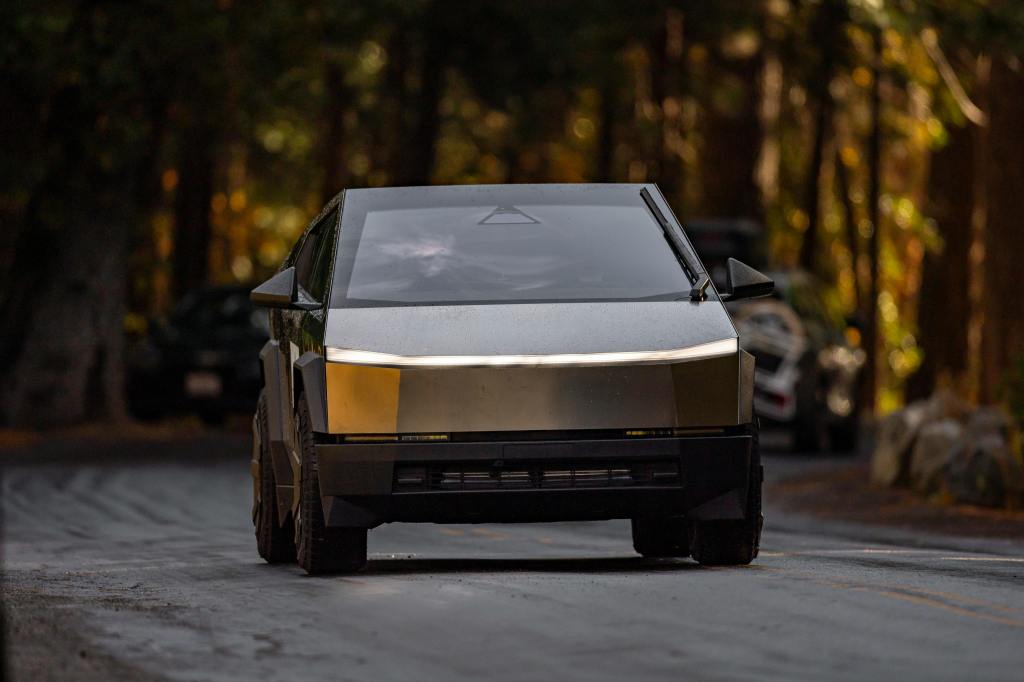
Tesla remains the leading EV seller in the U.S., but its dominance is slipping. The company’s five-model lineup, including the recently launched Cybertruck, is losing its edge. Tesla sold just 40,000 Cybertrucks last year, far below its 250,000-unit target. According to EV analyst Loren McDonald of Paren, Tesla’s models may have peaked, and without a new, affordable car to rival mass-market staples like the Honda Civic, growth will stall. While a Model Y refresh has boosted sales in some markets, it hasn’t reversed Tesla’s global delivery decline.
Competitors are closing in. China’s BYD, known for budget-friendly EVs, overtook Tesla in global sales in 2023 and surpassed it in Europe this spring, per JATO Dynamics. Tesla’s U.S. market share has dipped below 50%. Broader market trends aren’t helping: AAA reports only 16% of Americans plan to buy an EV next, a six-year low, as tariffs, expiring tax credits, and hybrid car popularity pose further threats.
Betting on Robotaxis and Robots
Instead of prioritizing an affordable car, Musk is doubling down on futuristic ventures. Reuters reported Tesla scrapped plans for a low-cost model, focusing instead on robotaxis and humanoid robots. Musk recently announced a “tentative” robotaxi service launch in Austin, Texas, as early as next Sunday, though he’s made similar unfulfilled promises since 2016. Tesla’s reliance on camera-based AI, rather than the radar and lidar used by competitors like Waymo, has raised safety concerns. McDonald warned that the Austin test could lead to “horrible accidents” due to immature technology. Tesla’s assisted driving systems are already under federal and civil scrutiny following fatal crashes.
Meanwhile, Tesla is investing in its Optimus humanoid robot, showcased in October as a bartender but revealed by Bloomberg to be human-operated. Goldman Sachs analysts argue Tesla’s tech choices keep production costs low, but Musk has warned skeptical investors to sell their stock if they doubt Tesla’s autonomous driving potential.
A Crossroads for Tesla
Musk’s return to Tesla’s helm, complete with office sleepovers, signals urgency, but the company’s challenges run deep. A declining public image, an aging product lineup, and fierce competition demand more than bold promises. Whether Tesla can pivot to affordable vehicles or deliver on its autonomous ambitions will determine if Musk’s slumber party can steer the company toward a brighter future.it was being remotely operated by humans.
 thetechtrident.com