
Some phones go beyond being just tools; they become cultural artifacts. These five phones not only changed how we communicate but shaped entire generations.
1. Nokia 3310
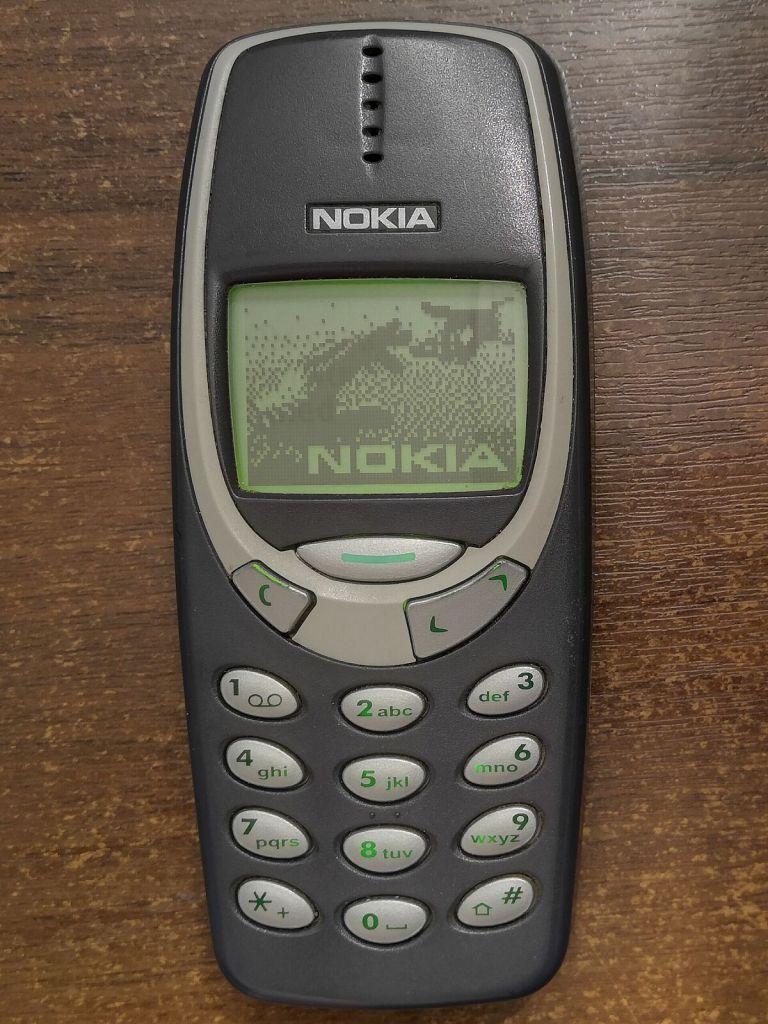
The Nokia 3310 is the phone everyone remembers, even if they’ve never owned one. Released in 2000, it earned its legendary status through sheer durability. This was the phone that could survive a drop from a three-story building, a swim in the sink, or even being forgotten in a drawer for years—only to power on like it was still brand new. But it wasn’t just tough; it was simple and practical. Its battery life lasted for days, sometimes weeks, on a single charge, and its minimalist design made it accessible to anyone. The inclusion of Snake II turned it into a surprising source of entertainment, while customizable ringtones gave it a hint of personalization. The 3310 wasn’t just a phone—it was a reliable companion, and its relaunch in 2017 proved just how much it still resonated with people.
2. BlackBerry Bold 9000
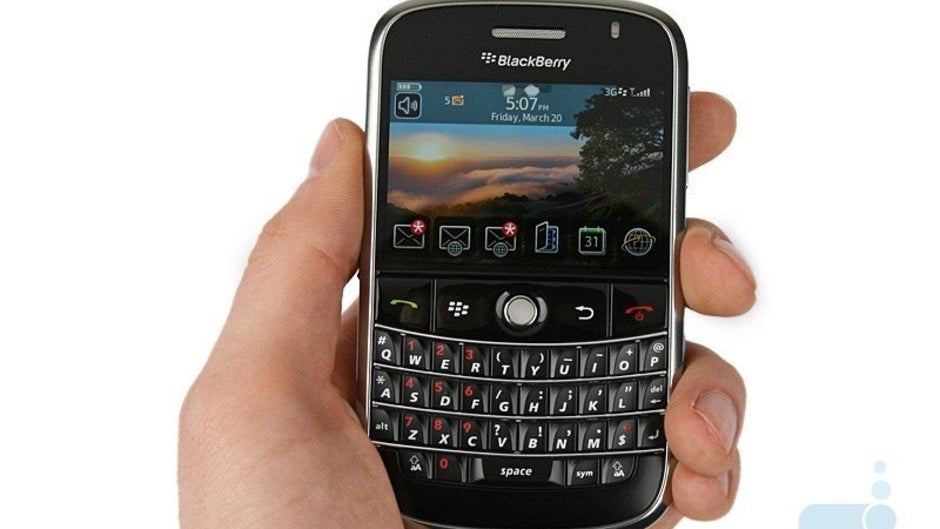
The BlackBerry Bold 9000 was the ultimate power move in the late 2000s. If you had one, you weren’t just carrying a phone—you were carrying a symbol of efficiency and professionalism. Its full QWERTY keyboard made it easy to fire off emails or texts without breaking a sweat, and the tactile feel of those keys was oddly satisfying. BBM (BlackBerry Messenger) became a global phenomenon, offering a seamless, instant way to stay connected long before WhatsApp entered the scene. The Bold’s design, with its leatherette back and chrome accents, exuded a premium feel that appealed to executives and trendsetters alike. For a time, the BlackBerry Bold was the gold standard for mobile productivity, making it indispensable for business professionals and celebrities alike.
3. Motorola Razr V3

Few phones in history have achieved the iconic status of the Motorola Razr V3. Launched in 2004, it wasn’t just a phone—it was a fashion statement. At a time when most phones were chunky and utilitarian, the Razr’s impossibly slim profile and metallic finish felt futuristic and luxurious. It was the kind of phone you’d see in a high-end magazine or a blockbuster film, casually flipped open with a satisfying snap. But the Razr wasn’t just about looks; it also delivered solid performance for its time, with a bright screen, good call quality, and a practical external display for checking messages. The Razr V3 made having a phone cool, elevating mobile devices from functional tools to must-have accessories.
4. Sony Ericsson W800i
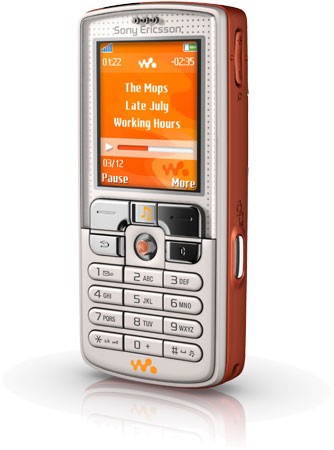
The Sony Ericsson W800i was more than a phone—it was a revolution for music lovers. Released in 2005, it was part of the Walkman series, which merged the legendary Walkman brand with mobile technology. It was the first phone that truly nailed the “music-first” concept, featuring dedicated music controls, expandable memory for playlists, and excellent sound quality. For a generation still carrying MP3 players alongside their phones, the W800i was a revelation: finally, one device to do it all. The phone also sported a surprisingly good 2-megapixel camera and a long battery life, making it a complete package for its time. It redefined what people expected from their phones and was a precursor to the multimedia capabilities we take for granted today.
5. iPhone (First Generation)
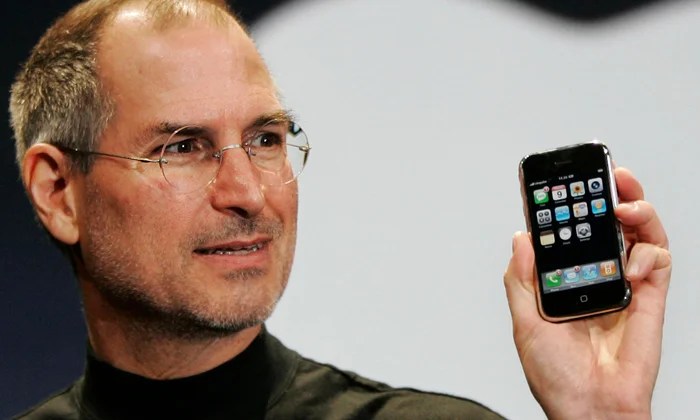
When Apple unveiled the iPhone in 2007, it didn’t just launch a phone—it rewrote the rules of what a phone could be. At a time when most phones relied on physical keyboards or clunky styluses, the iPhone introduced a responsive, full touchscreen that was shockingly intuitive. It combined a phone, an iPod, and an internet browser into one sleek device, effectively making traditional phones feel like relics overnight. While the original lacked features like 3G or a great camera, its revolutionary approach to design and functionality changed the industry forever. The App Store, introduced with its successor, turned the iPhone into a platform for endless possibilities, from gaming to banking to social media. The first iPhone wasn’t just iconic; it was the beginning of the modern smartphone era.
These phones didn’t just make communication easier—they defined eras, set trends, and changed how we connect with the world. Whether you smashed out texts on a BlackBerry or flipped open a Razr in a moment of drama, these devices weren’t just tools; they were milestones in the story of technology.
 thetechtrident.com