
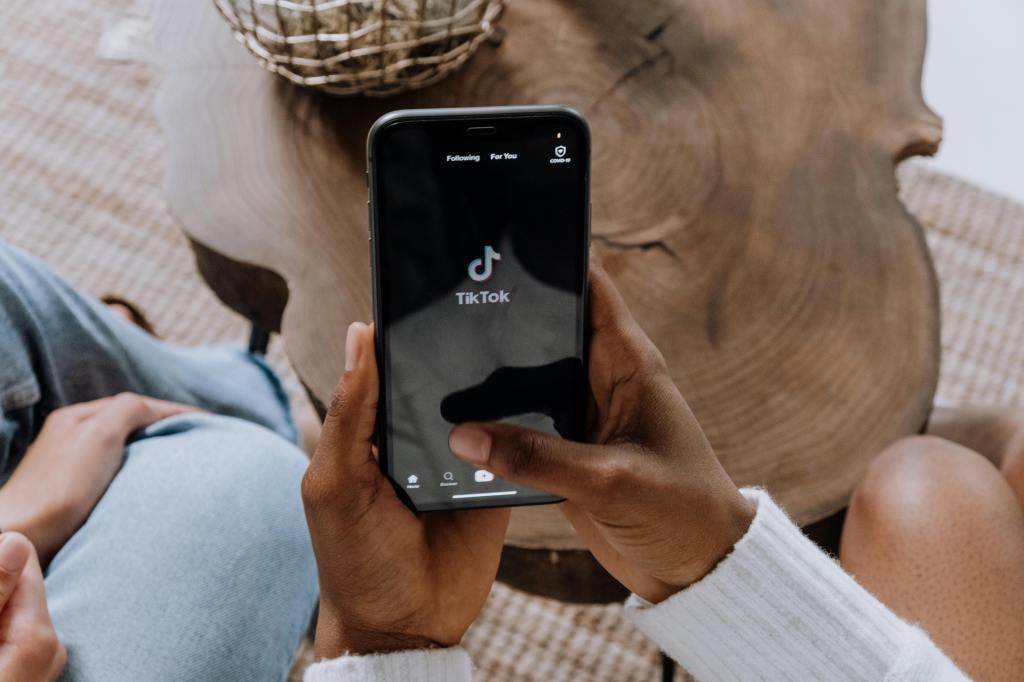
There was a time when the internet was a place we visited—a tool we logged into before logging off to return to the real world. But in 2025, the lines between online and offline have blurred beyond recognition. The concept of logging off, once a simple and natural act, now feels nearly impossible. Instead, we live in a state of perpetual connectivity, where even our identities are increasingly shaped by the aesthetics and expectations of the digital world.
The Permanent Online Life
Our always-online existence is no accident. Smartphones, social media platforms, and algorithms have been designed to keep us engaged, enticing us with endless notifications, updates, and content streams. For many, the first thing they see in the morning is a screen, and it’s also the last thing they see before bed. The concept of “logging off” no longer means stepping away from the internet—it often just means switching to a different app.
This ubiquity has infiltrated every aspect of our lives. Work emails ping at all hours. Conversations move seamlessly from WhatsApp to Instagram DMs to Zoom calls. Even moments meant to be offline—vacations, meals, or celebrations—are punctuated by the urge to document and share.
Aesthetic as Identity
As we spend more time online, we increasingly curate our lives for digital consumption. Instagram feeds, TikTok videos, and LinkedIn updates form a mosaic of our “brand”—a meticulously crafted aesthetic that represents not just how we want to be seen, but often who we think we are.
The concept of an online aesthetic isn’t new, but it has grown more complex and pervasive. It’s no longer limited to influencers or public figures; anyone with a smartphone can now participate. From the way we photograph our coffee to the tone of our captions, our online persona becomes a second self—one that demands constant maintenance and refinement.
This isn’t without consequence. As we pour energy into constructing these digital identities, the line between authenticity and performance becomes harder to discern. Are we living our lives, or are we merely producing content?
The Cost of Perpetual Connectivity
This shift has profound psychological effects. Studies link constant social media use with increased anxiety, depression, and loneliness, as we compare our unfiltered realities to the polished highlights of others. The pressure to maintain an online aesthetic can feel suffocating, creating an unspoken obligation to always be “on.”
Moreover, the loss of true downtime—the kind that comes from disconnecting entirely—leaves little room for reflection or genuine rest. Our minds, like our devices, are never fully powered down.
A Path Forward
The challenge lies in reclaiming the boundaries between our online and offline selves. Logging off shouldn’t feel like a radical act—it should be a natural part of life. But to get there, we need to rethink the role technology plays in shaping our identities.
First, platforms must take responsibility for their role in fostering unhealthy habits. Features like automatic notifications and algorithmic feeds that prioritize engagement over well-being need to be reconsidered. At the same time, individuals can practice intentional use of technology, setting boundaries and creating time for offline pursuits.
More broadly, we need to redefine what it means to be authentic in a digital world. Authenticity shouldn’t mean curating an online aesthetic that looks natural—it should mean embracing imperfection and resisting the urge to perform.
Reclaiming Offline
The idea of logging off isn’t about rejecting technology; it’s about reclaiming balance. It’s about remembering that our worth isn’t tied to likes, comments, or shares, and that our identity is far richer than any online aesthetic can capture.
If we can learn to live with technology, rather than through it, we may rediscover the joy of simply being present—offline, uncurated, and truly ourselves.
 thetechtrident.com